
Explosive Anger, Defiance & Sarcasm
The Defiant Teen: De-escalating Explosive Arguments Without Power Struggles
Why 'You can't make me!' is not a challenge to your authority, but a desperate grab for autonomy — how to hold immovable boundaries without shouting, threats, or slamming doors.
The Power-Struggle Escalation
Arguing head-on triggers the adolescent fight response and outsources your authority to anger.
"I care too much about us to shout back. Pick which works: now or after a 15-minute break."
"It starts over something trivial. You ask them to put away their school shoes or start their homework. You speak in what you think is a normal, calm tone."
"Suddenly, their eyes flare with fury. They slam a glass on the counter, ball their fists, and detonate: 'Stop breathing down my neck! You treat me like a prisoner in this house! I hate living here!'"
"Your own pulse shoots through the ceiling. You feel disrespected and challenged in your own home: 'How dare you speak to me that way! As long as you live under this roof, you will do as you're told!'"
"A door slams with such force the pictures on the hallway wall rattle. Within 30 seconds, a routine interaction has turned into an emotional war zone, leaving both of you shaking with anger and mutual resentment."
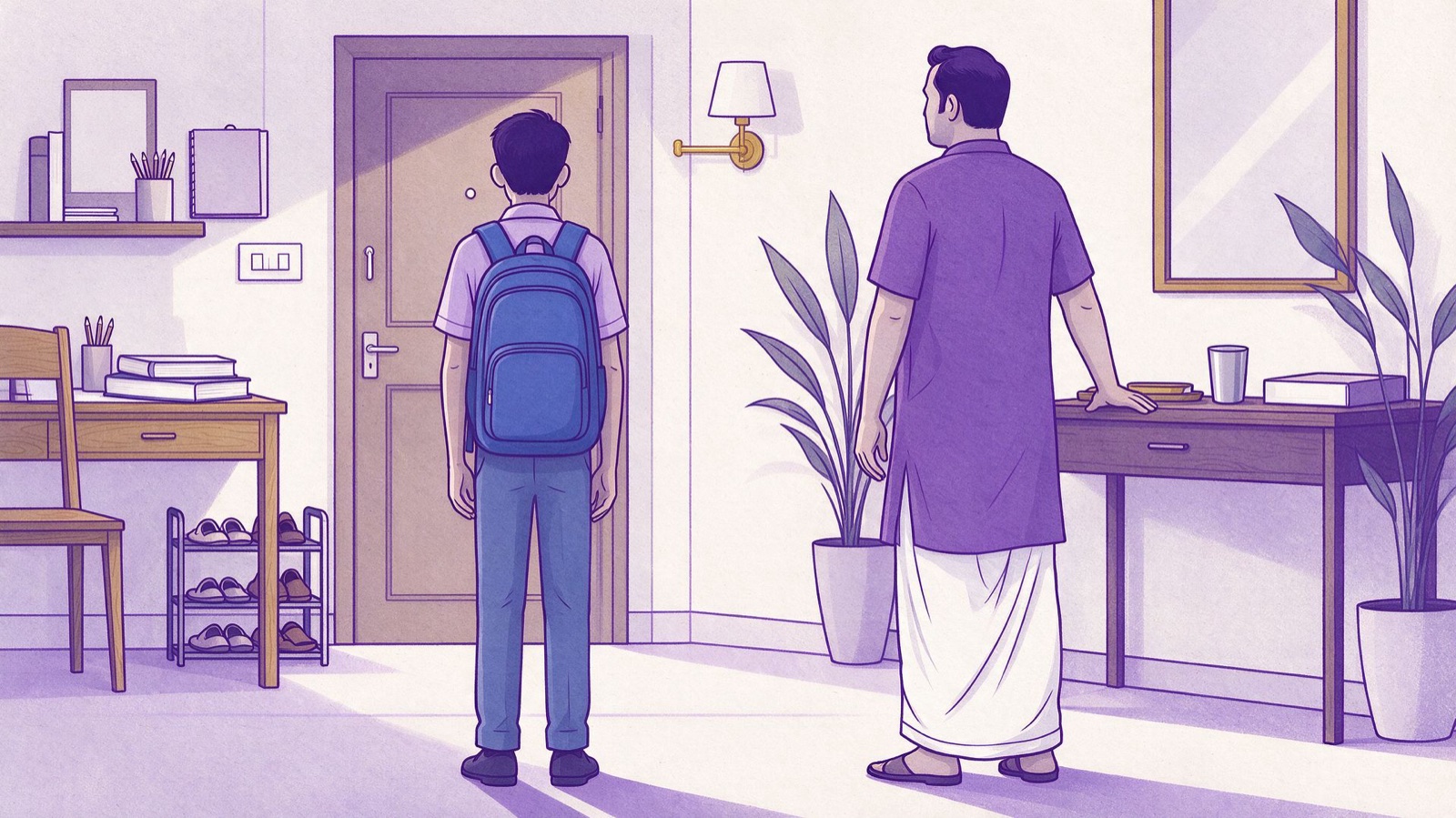
Your teen's explosive defiance does not mean they hate you or that you have failed as an authority figure. It is an instinctual, biological revolt triggered when their developing autonomy feels cornered.
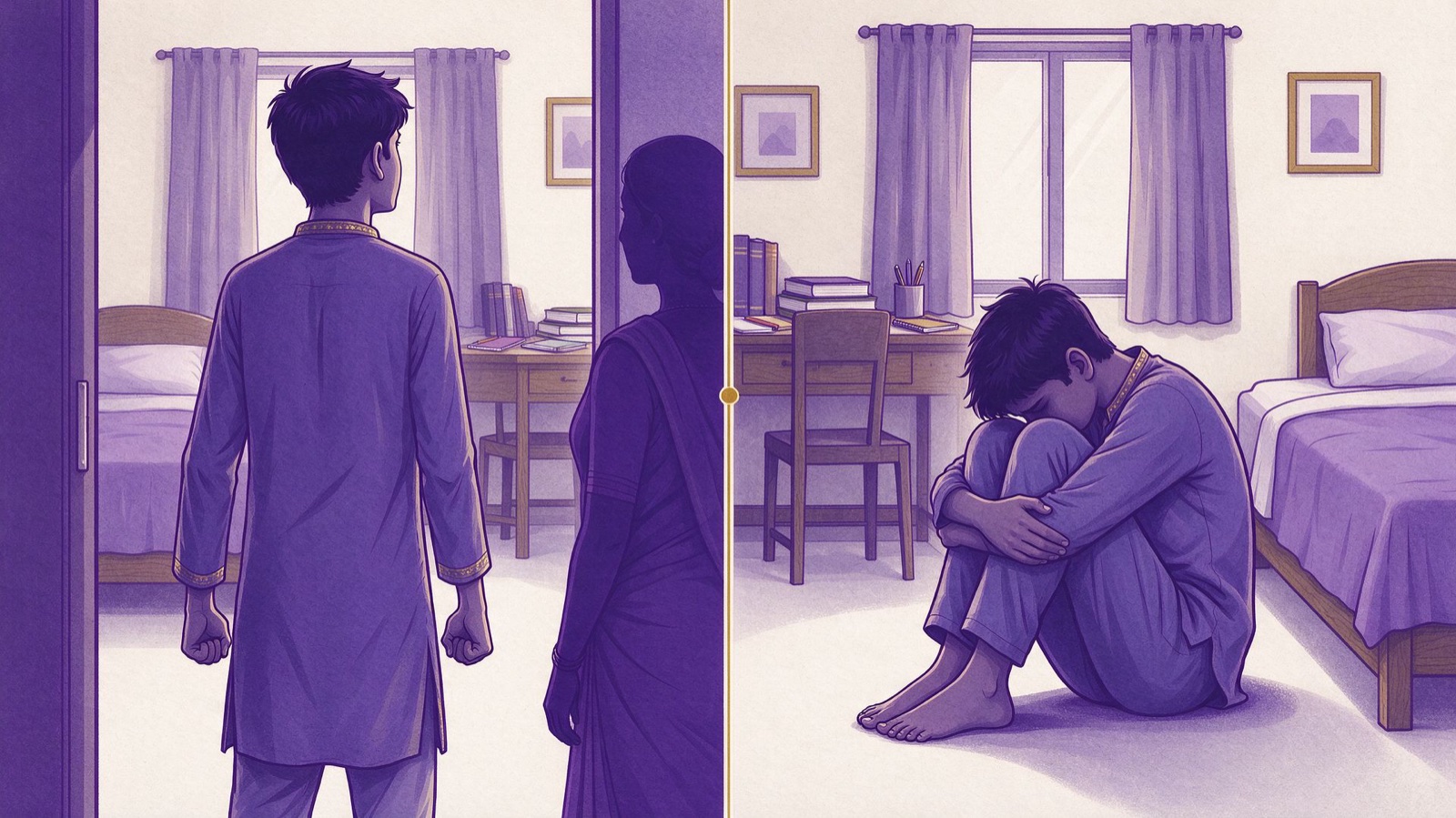
What may be going on
These are possibilities to consider, not a diagnosis or certainty. Ask your teen what fits.
"'You can't make me do anything! Stop controlling my life!'"
One possibility: I feel like a little kid being ordered around. Because I have so little control over school, tests, and future expectations, fighting you is the only way I can prove to myself that I have personal agency.
"Sneering, mocking sarcasm: 'Oh wonderful, another lecture from the world's greatest parent.'"
One possibility: I feel vulnerable and criticized. If I can bait you into losing your temper, the spotlight shifts from my shortcoming to your explosion, giving me the emotional high ground.
"Reflexive instant 'NO' before you even finish stating the request."
One possibility: My nervous system treats unsolicited demands as a threat to my autonomy. I must push back first to establish boundary integrity, even if I wouldn't have minded doing the task.
The Limbic Surge & The Illusion of Deliberate Disrespect
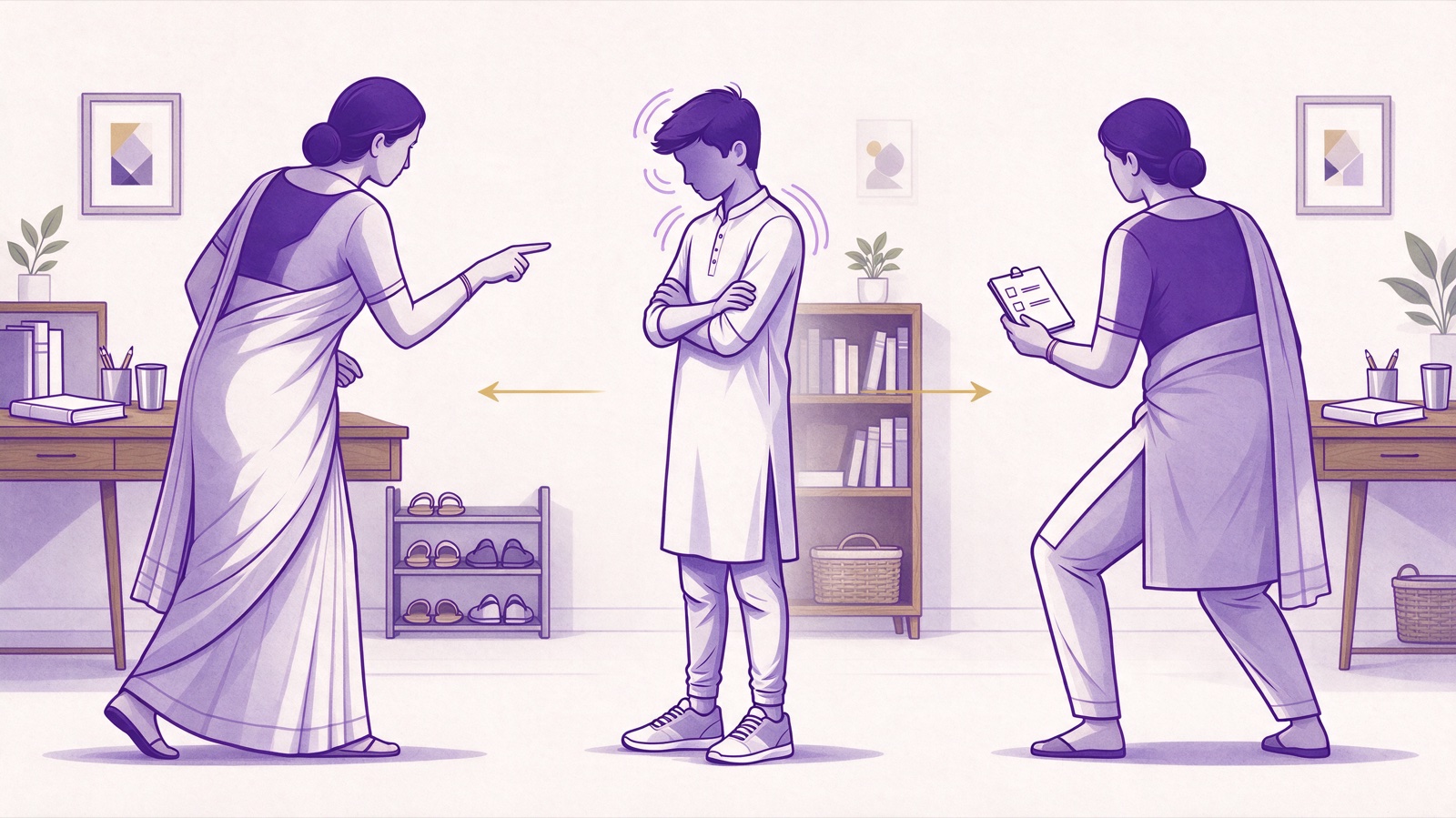
Adolescent brains undergo intense synaptic remodeling. The amygdala and striatum (governing emotion, threat detection, and emotional urgency) mature years ahead of the prefrontal cortex (governing impulse control, emotional inhibition, and long-range consequence calculation). When an adolescent perceives micromanagement or public correction, their brain interprets it as a severe status threat. Cortisol and adrenaline surge, temporarily disabling whatever rational prefrontal control they possess. Demanding that a defiant teen 'calm down and apologize immediately' is demanding neurological regulation that is biologically impossible in that high-arousal moment.
Natural Instincts That Accidentally Make It Worse
Every caring parent falls into these traps out of love, fear, or exhaustion. Here is what happens inside their nervous system and how to shift:
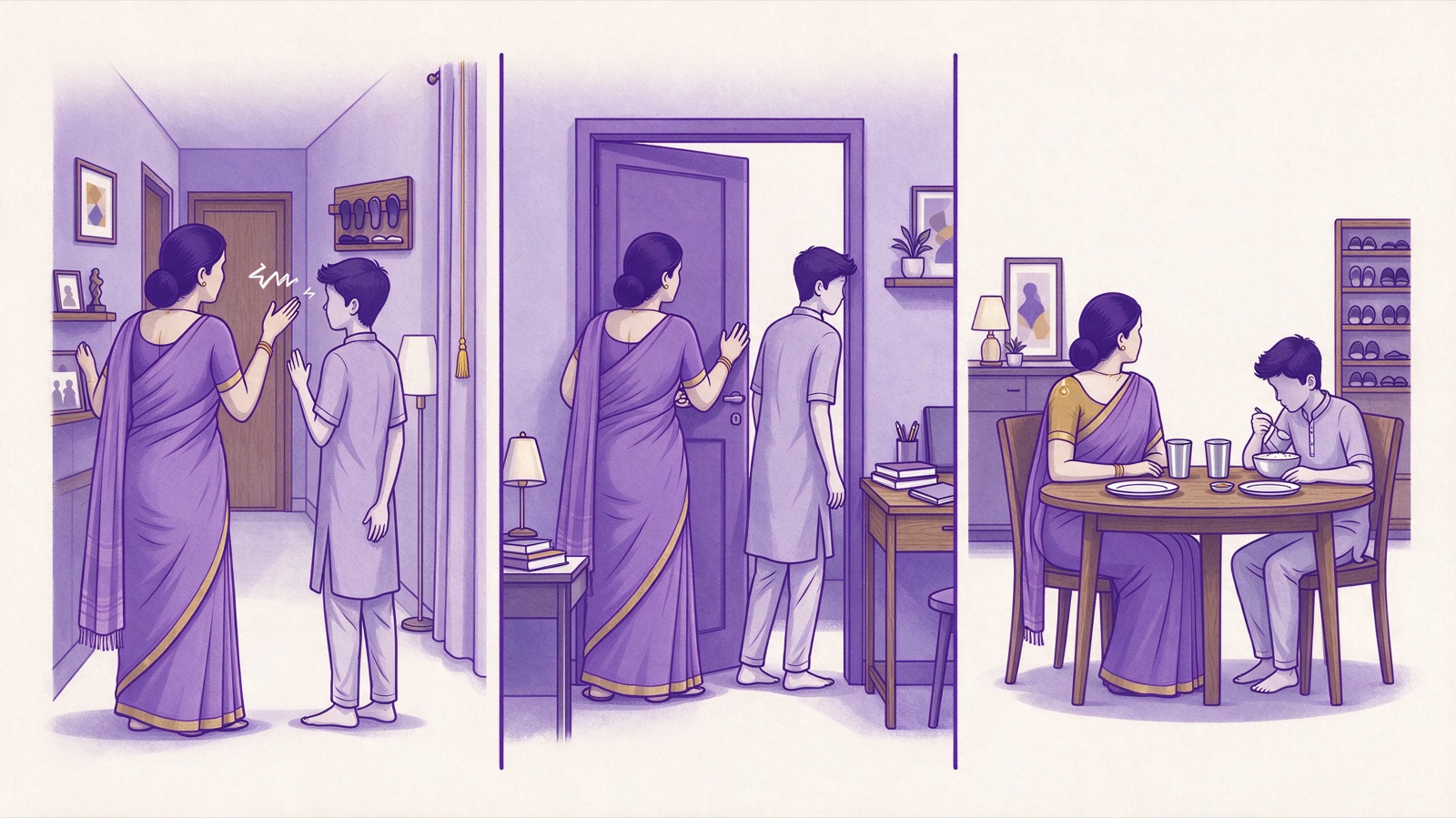
The Courtroom Cross-Examination
Trying to prove logically why their reaction makes no sense and demanding an admission of guilt.
Keeps the adolescent in fight mode. They will double down on absurd arguments rather than surrender their dignity.
Drop the debate immediately. State the boundary once and exit the physical room.
The Escalating Penalty Auction
Piling on punishments in the heat of battle: 'No phone for a week! No, two weeks! And cancel your weekend plans!'
Proves to the teen that consequences are arbitrary emotional revenge rather than structured boundaries.
Impose zero new consequences while your heart rate is elevated. Enforce pre-established agreements calmly.
Meeting Fire with Fire
Matching their screaming volume to demonstrate that they cannot intimidate you.
Validates shouting as the legitimate family currency of conflict resolution.
Lower your voice volume and slow your cadence. Calm is contagious.
The 'Drop-the-Rope' De-escalation Protocol
A 4-step sequence to eliminate power struggles, restore emotional safety, and enforce non-negotiable household boundaries.
Drop the Rope (Stop Pulling)
A tug-of-war requires two people holding tension. Drop your end.
- When they scream or argue, do not counter-argue, defend yourself, or issue threats.
- Take a step back physically. Take a slow, diaphragmatic breath to regulate your own nervous system.
Declare the 20-Minute Refractory Break
Allow the neurochemical flood to clear before continuing.
- Say the de-escalation statement calmly and walk away.
- Biologically, it takes 20 to 30 minutes for adrenaline and cortisol to clear the bloodstream after an acute flare-up.
The Choice Architecture Framework
Replace autocratic commands with controlled options.
- Never give open-ended commands that feel like orders to a toddler.
- Give two acceptable choices where both outcomes satisfy the required boundary.
Enforce with Warm Firmness (Connect Before You Direct)
Hold the boundary with emotional neutrality, not malice.
- Consequences should be natural and matter-of-fact: the car/WiFi/privilege isn't accessible until the commitment is fulfilled.
- No gloating, no 'I told you so', no emotional withdrawal.
What to Say Tonight: Word-for-Word Scripts
Save these to your phone or keep them in mind for your next interaction.
"'I hear how angry you are right now, and I care about our relationship too much to scream back at you. I'm stepping away so we can both cool down. Let's talk in 20 minutes.'"
Low volume, slow cadence. Step backward, keep hands visible and relaxed, and exit the doorway.
Immediately neutralizes the power struggle. Validates their emotional state without tolerating abuse or escalating tension.
"'The kitchen needs to be cleaned and your assignment finished before 9:00 PM. Would you rather do the dishes first and study later, or knock out the homework now and finish the kitchen at 8:30 PM? You decide.'"
Matter-of-fact, collaborative, shoulder-to-shoulder.
Provides perceived autonomy. The adolescent feels like an active decision-maker rather than a compliant subordinate.
"'I love you too much to argue with you about this. The car keys / WiFi password stay on my desk until your portion of the project is completed. Take all the time you need; the choice is yours.'"
Warm, unhurried, completely devoid of sarcasm or anger.
Shifts responsibility squarely onto the adolescent. It is not parent vs. teen; it is teen vs. natural consequence.
Lower your voice and offer a choice. Never argue level-to-level.
Low volume, slow cadence
"I care too much about us to shout back. Pick which works: now or after a 15-minute break."
Understanding the situation
The Difference Between True Defiance and Individuation
When a 15-year-old says "No!", parents panic, viewing it as moral decay, disrespect, or dangerous rebellion.
Yet the developmental imperative of adolescence is identical: individuation. An adolescent cannot become a functional adult without separating their identity, values, and willpower from their parents.
Defiance is the clumsiest, most unrefined version of that individuation. When an adolescent feels that their parents are still directing every hour of their life—what they wear, what they study, who they message, when they sleep—their nervous system experiences claustrophobia.
Autonomy vs. Permissiveness
The goal is Firm Boundaries + High Autonomy within the Guardrails:
The boundary is non-negotiable (e.g., respectful communication, school integrity, physical safety).
The execution is autonomous (e.g., when they study, what playlist they listen to, how they organize their workspace).
When you give up micromanaging the petty battles, you preserve the relational equity required to hold firm on the matters that truly count.
All Situations in Explosive Anger, Defiance & Sarcasm
The Sudden Detonation (Explosive Shouting & Slams)
0 to 100 in 3 seconds: When a simple household request detonates into screaming, wall-punching, or slammed doors.
Sarcasm, Mocking & Eye-Rolling
Sneering comments, muttering under their breath, and challenging parental authority with contempt.
Swearing & Verbal Boundary Violations
What to do when foul language, insults, and name-calling enter family disagreements.
The 'That's Not My Job' Standoff
Treating home like a free hotel, refusing chores, and leaving messes for parents to clean up.
You do not have to solve everything tonight
Choose one practical action that feels manageable for your family.
After the Fight: The Repair Script for Parents
Pocket-sized verbatim repair phrases to rebuild connection after a heated blow-up without grovelling or lecturing.
Talk with someone about what is happening at home
If the same conflict keeps coming back or feels difficult to manage, book a conversation to discuss the support that may fit your family.
Cross-Chapter Recommended Guides
The Silent Teen: How to Open the Door When You Only Get One-Word Answers
When your teenager retreats behind closed doors and responds in grunts, interrogating them only pushes them further away. Understand the Sensory Sanctuary driver and the exact side-by-side script that breaks the silence.
When Screen Time Leads to Arguments
If phone use is pushing bedtime later or requests to stop lead to arguments, start with a routine you can discuss and keep together.